Methane testing is one of the most critical steps in the Los Angeles construction process, yet many developers, contractors, and property owners find themselves confused by the requirements, costs, and procedures involved. This comprehensive guide walks you through everything you need to know about LADBS methane testing, from understanding why it matters to choosing the right testing agency and interpreting your results.
At Sway Features, we have conducted hundreds of methane tests across Los Angeles County and helped countless clients navigate the LADBS methane mitigation process. This guide consolidates our experience into a practical resource that answers the questions we hear most often.
What is LADBS Methane Testing and Why Does Los Angeles Require It?
Methane testing is an environmental assessment required by the Los Angeles Department of Building and Safety for any construction project located within a designated Methane Zone or Methane Buffer Zone. The purpose of this testing is to measure the concentration of methane gas in the soil beneath your property, which determines what level of mitigation your project will require.
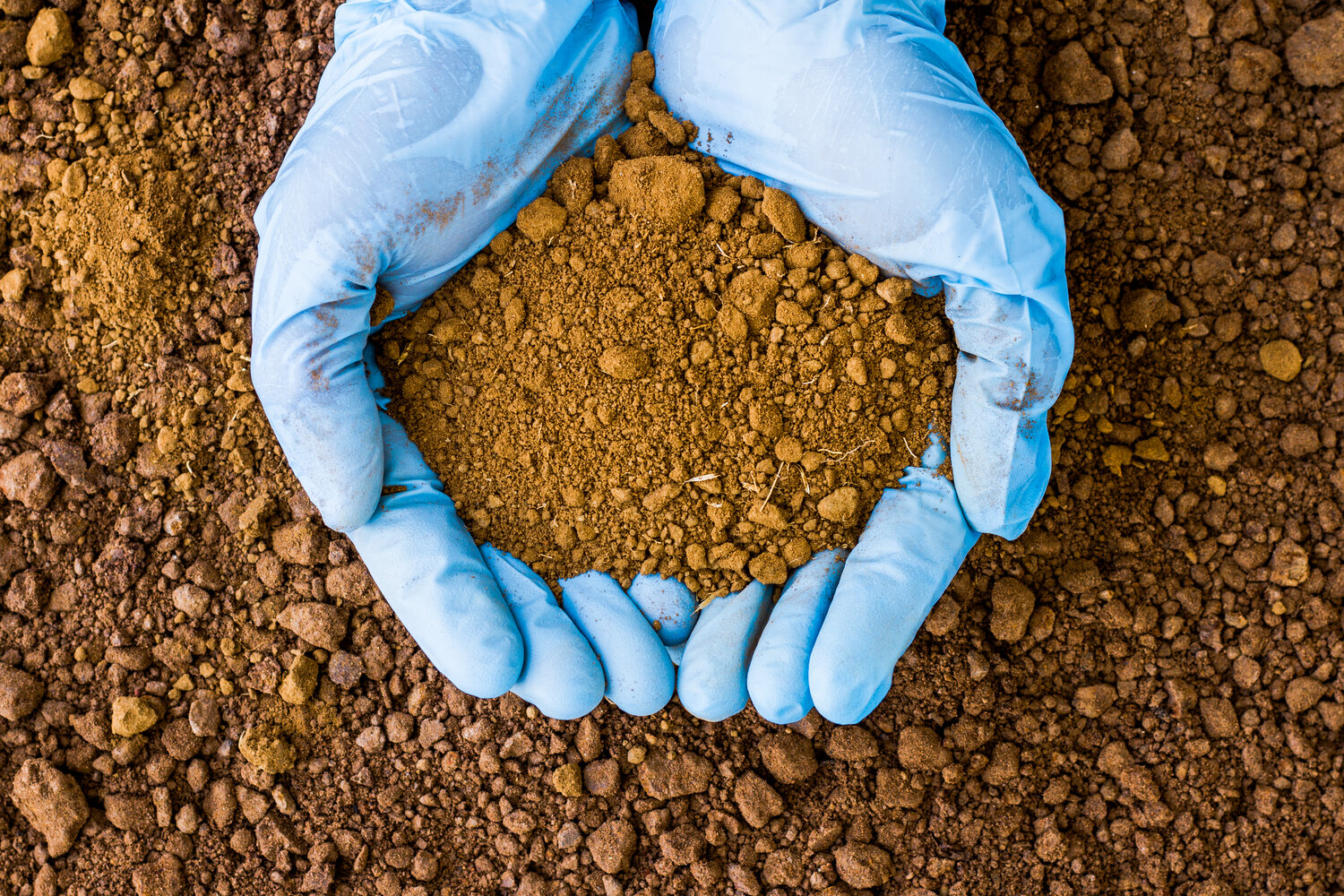
Los Angeles sits atop one of the most significant oil-producing regions in the United States. Over a century of oil drilling has left behind thousands of abandoned wells, many of which were improperly sealed or have deteriorated over time. These wells, along with natural geological formations and decomposing organic material in landfill areas, can release methane gas that migrates through the soil and potentially into buildings.
The dangers of methane intrusion became tragically clear in 1985 when an underground methane explosion at the Ross Dress for Less store in the Fairfax District killed 23 people and injured 30 others. This incident, caused by methane migrating from the nearby Salt Lake Oil Field, led directly to the establishment of LADBS methane mitigation requirements. Today, these regulations protect building occupants across the city by ensuring that methane hazards are identified and addressed before construction.
Understanding Methane Zones and Buffer Zones
LADBS has mapped areas throughout Los Angeles County that present potential methane hazards. These areas fall into two classifications:
Methane Zone
Properties located in a Methane Zone have a high probability of methane presence due to proximity to oil fields, abandoned wells, or other known methane sources. If your property is in a Methane Zone, you are required to conduct methane testing and implement appropriate mitigation regardless of the test results. Even if your test shows low methane levels, you must still install a basic passive mitigation system.
Methane Buffer Zone
The Methane Buffer Zone surrounds the primary Methane Zone and represents areas with moderate potential for methane migration. Properties in the Buffer Zone have an important advantage: if your methane test results show Level 1 classification with methane concentrations below detection limits, you may be able to avoid mitigation requirements entirely. This makes testing particularly valuable for Buffer Zone properties.
You can determine your property classification using the ZIMAS (Zone Information and Map Access System) or Navigate LA tools provided by the City of Los Angeles. We have published a detailed guide on how to look up your property classification using these resources.
The LADBS Methane Testing Process Explained
Understanding what happens during a methane test helps you plan your project timeline and ensures you know what to expect when the testing crew arrives on site.
Step 1: Underground Utility Clearance
Before any drilling can occur, the testing agency must identify and mark all underground utilities on your property. This begins with a mandatory DigAlert notification, which dispatches representatives from utility companies to mark their lines. In complex situations with multiple utilities or unclear records, ground-penetrating radar surveys may also be required.
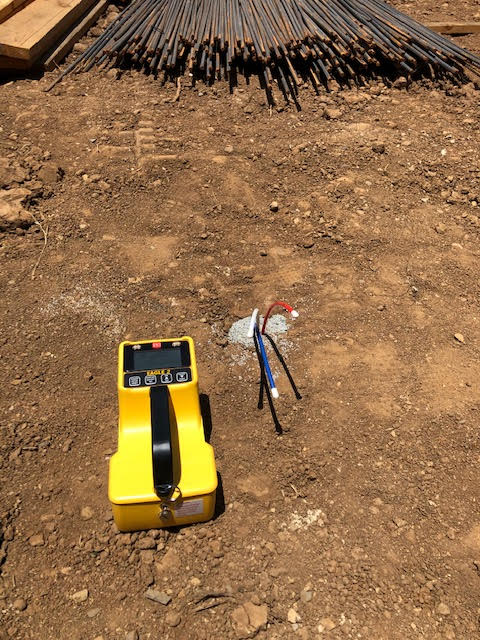
This utility clearance process typically takes 3-5 business days and must be completed before the drilling crew arrives. Failure to properly clear utilities before drilling is not only dangerous but could result in significant liability for damage to gas lines, electrical conduits, or water mains.
Step 2: Shallow Methane Test Installation
The first phase of on-site work involves installing shallow gas probes across your property. According to LADBS Site Testing Standards, you need a minimum of two shallow probes per project site, with an additional probe required for every 10,000 square feet of property area.
These shallow probes are installed using direct push drilling technology, which advances a sampling rod into the soil with minimal disturbance to the surrounding environment. The probes are set at approximately 5 feet below the ground surface, and initial methane concentration readings are taken.
Step 3: Deep Gas Probe Installation
Based on the results from the shallow probes, the testing agency determines where to place deep gas probes. These are installed at locations showing the highest methane concentrations during the shallow testing phase.
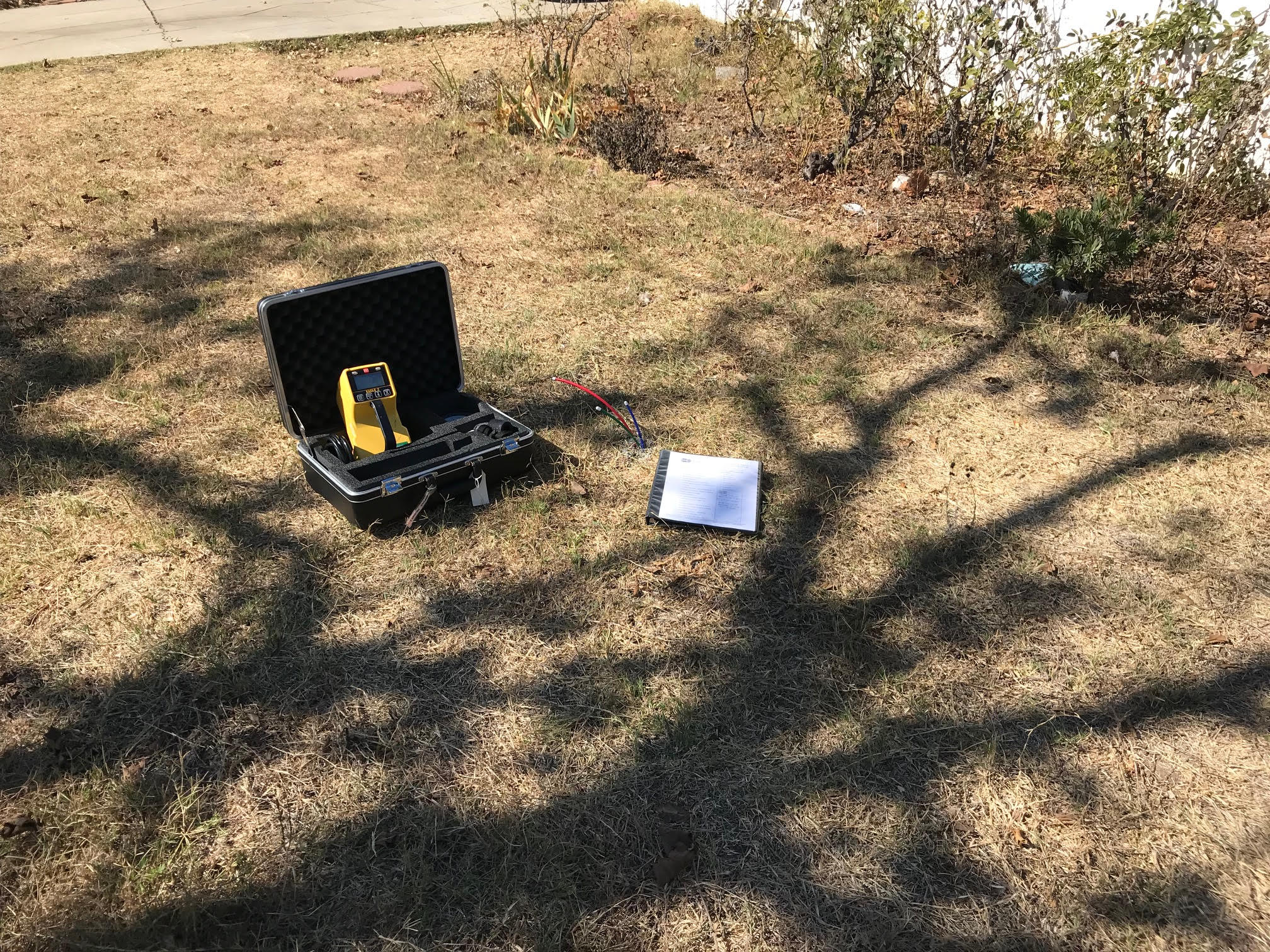
Deep gas probes are installed as triple-nested sets at depths of 5, 10, and 20 feet below the lowest elevation of the proposed building. LADBS requires a minimum of two deep probe sets for properties up to 20,000 square feet, with additional probes required for larger sites at a rate of one set per 20,000 square feet.
Step 4: Sequential Measurements
After the deep probes are installed, the testing agency must take two sequential measurements separated by a minimum 24-hour interval. This requirement ensures that the readings capture representative methane conditions rather than transient fluctuations.
During each measurement session, the technician records methane concentration (as a percentage of the Lower Explosive Limit), gas pressure readings at each depth, and atmospheric conditions including temperature and barometric pressure.
Step 5: Borehole Abandonment and Report Generation
Once all measurements are complete, the boreholes must be properly abandoned to prevent them from becoming pathways for methane migration. The testing agency seals each borehole with bentonite grout from the bottom up, ensuring a complete seal.
The final deliverable is a comprehensive report that includes the Certificate of Compliance for Methane Testing Data, a site plan showing all probe locations, tabulated data from all measurements, and the determination of your Site Design Level.
Understanding Your Methane Test Results: Levels 1 Through 5
Your methane test results will classify your property into one of five Site Design Levels. Each level corresponds to specific mitigation requirements as outlined in the LADBS Methane Mitigation Standards:
Level 1: Minimal Hazard
Level 1 classification indicates methane concentrations below 1,000 ppm and gas pressure at or below atmospheric levels. For properties in the Methane Buffer Zone with Level 1 results, this may eliminate the need for mitigation entirely. Properties in the Methane Zone with Level 1 results still require basic passive mitigation including a vapor barrier and sub-slab ventilation system.
Level 2: Low Hazard
Level 2 properties show methane concentrations between 1,000 and 12,500 ppm with low gas pressure. Required mitigation includes a gas-resistant membrane, passive sub-slab ventilation system with a vent riser, and methane detection alarms at the lowest occupied level.
Level 3: Moderate Hazard
Level 3 classification indicates methane concentrations between 12,500 and 25,000 ppm or moderate gas pressure readings. Mitigation requirements include enhanced membrane specifications, a more robust sub-slab ventilation system, mechanical room ventilation requirements, and additional detection and monitoring equipment.
Level 4: High Hazard
Level 4 properties show methane concentrations between 25,000 and 50,000 ppm or significant positive gas pressure. At this level, an active ventilation system may be required in addition to passive systems. Continuous monitoring with automatic ventilation activation becomes mandatory, and more frequent inspections are required during construction.
Level 5: Severe Hazard
Level 5 represents the highest hazard classification with methane concentrations exceeding 50,000 ppm or high positive gas pressure. Properties at this level require the most comprehensive mitigation systems including redundant active ventilation, continuous monitoring with automatic controls, and ongoing maintenance and inspection requirements throughout the life of the building.
The difference in mitigation costs between Level 1 and Level 5 can be substantial, often ranging from a few thousand dollars to tens of thousands of dollars. This is why conducting a proper methane test is almost always worthwhile, as it allows you to design and budget for the actual conditions present on your site rather than assuming worst-case scenarios.
Methane Testing Costs in 2026
Methane testing costs have decreased significantly over the past decade as more licensed testing agencies have entered the market and competition has increased. However, costs vary based on property size, site complexity, and project location.
For a standard residential property under 20,000 square feet, expect to pay between $2,800 and $4,500 for a complete LADBS-compliant methane test in 2026. This includes utility clearance, all drilling and probe installation, 24-hour sequential measurements, borehole abandonment, and final report with Certificate of Compliance.
Larger commercial properties with complex site conditions, multiple buildings, or difficult access may see costs ranging from $6,000 to $15,000 or more depending on the scope of work required by the LADBS testing standards.
Several factors can affect your testing costs including property size and number of required probe locations, site access and terrain conditions, need for additional utility clearance measures like GPR, expedited scheduling requirements, and whether the site has been previously disturbed or developed.
Timeline: How Long Does Methane Testing Take?
A standard methane test follows this general timeline:
DigAlert notification and utility marking takes 3-5 business days from the time you submit the notification request. This waiting period is legally required and cannot be shortened.
On-site drilling and probe installation typically requires 1-2 days depending on the number of probe locations and site conditions. For properties under 20,000 square feet with good access, this can usually be completed in a single day.
Sequential measurements require a minimum 24-hour interval between the first and second readings. This means you need at least two separate site visits for measurement collection.
Report preparation and certificate issuance typically takes 3-5 business days after the final field measurements are complete. Some agencies offer expedited processing for an additional fee.
From start to finish, most methane tests can be completed within 10-14 business days under normal circumstances. However, scheduling constraints, weather delays, or unexpected site conditions can extend this timeline.
Choosing a Licensed LADBS Methane Testing Agency
Selecting the right testing agency is crucial for ensuring your test results will be accepted by LADBS and your project can proceed without delays.
Verify LADBS Field Testing Laboratory License
LADBS maintains strict requirements for agencies conducting methane tests within their jurisdiction. Any consultant you hire must hold a current LADBS Methane Testing Field Laboratory License. You can verify this license by requesting the license number and checking it against the LADBS Materials Testing Laboratory list.
If you use an unlicensed agency, LADBS will not accept your test results regardless of how they were conducted. You would then need to hire a licensed agency and repeat the entire testing process, losing both time and money.
Confirm Professional Engineering Supervision
LADBS requires that all methane tests be supervised by a Professional Engineer licensed in the State of California. The Certificate of Compliance must bear the signature and seal of the supervising PE. Verify that your chosen agency has qualified engineering oversight before engaging their services.
Equipment Calibration and Methodology
Ask about the testing equipment and calibration procedures used by the agency. LADBS requires that gas analyzers be calibrated before each project using certified calibration gases. Request documentation showing that the agency follows manufacturer calibration requirements and LADBS standards.
Also confirm that the agency uses direct push drilling methodology as required by LADBS and ASTM standards. Some less reputable operators may try to cut costs by using hand augering or rotary drilling, which can compromise the integrity of your test results.
What Happens After Your Methane Test?
Once you receive your methane test results and Certificate of Compliance, the next steps depend on your Site Design Level and project type.
Methane Mitigation Design
For most projects, you will need to engage a qualified methane mitigation consultant to prepare a design that meets LADBS requirements for your specific Site Design Level. This design will specify the type and thickness of vapor barrier membrane, sub-slab ventilation system configuration, vent riser locations and specifications, detection and monitoring equipment requirements, and any active ventilation components required.
LADBS does provide standard plan details, but these are intentionally generic and may not provide sufficient information for your contractor to properly construct the mitigation system. Working with an experienced mitigation designer ensures your plans include the specific details needed for your project.
Plan Check Submission
Your methane mitigation design, along with the Certificate of Compliance from your testing, must be submitted to LADBS as part of your building permit application. The plan checker will verify that the mitigation design corresponds to your Site Design Level and meets all code requirements.
Methane Mitigation Construction
During construction, the mitigation system must be installed according to the approved design and inspected by a Methane Deputy Inspector. The deputy inspector must be on site continuously during vapor barrier installation and at specified intervals for other components of the mitigation system.
Proper coordination between your general contractor, specialty trades, and the deputy inspector is essential for ensuring your mitigation system is installed correctly and passes all required inspections.
Special Considerations for Different Project Types
Accessory Dwelling Units (ADUs)
The ADU boom in Los Angeles has created unique considerations for methane testing. While ADUs are subject to the same Methane Zone requirements as other construction, LADBS has established exceptions for single-family dwellings and their accessory units that can simplify the mitigation requirements in certain circumstances.
For small ADU projects, it may sometimes be more cost-effective to design assuming worst-case conditions rather than conducting testing. A qualified consultant can help you analyze the trade-offs for your specific situation.
Commercial and Multi-Family Projects
Larger commercial and multi-family projects typically benefit significantly from methane testing because the mitigation cost differential between levels is substantial. For a 50-unit apartment building, the difference between Level 2 and Level 5 mitigation could be hundreds of thousands of dollars.
These projects also often require more extensive testing with additional probe locations based on property size and building footprint. Early engagement with a testing agency during the planning phase helps ensure your schedule accommodates the necessary testing timeline.
Tenant Improvements and Renovations
Existing buildings undergoing significant renovation or change of use may trigger methane testing requirements, particularly if the work involves alterations to the foundation or below-grade spaces. Consult with LADBS or a qualified consultant to determine whether your renovation project requires testing.
Frequently Asked Questions About LADBS Methane Testing
Is methane testing required for all construction in Los Angeles?
No. Methane testing is only required for construction projects located within designated Methane Zones or Methane Buffer Zones. You can check your property’s classification using ZIMAS or Navigate LA. If your property is outside both zones, methane testing is not required.
Can I skip the methane test and just assume Level 5?
Technically yes, but this is rarely advisable for commercial projects. Assuming Level 5 means designing and constructing the most expensive mitigation system without knowing whether it is actually needed. For most projects, the cost of testing is far less than the potential savings from a lower Site Design Level.
How long are methane test results valid?
LADBS does not specify an expiration period for methane test results, but plan checkers may question results from tests conducted many years before construction. As a general rule, tests conducted within five years of permit application are typically accepted without issue.
What happens if my test shows Level 4 or Level 5?
Higher Site Design Levels require more extensive mitigation but do not prevent construction. Your mitigation design will need to include active ventilation components, continuous monitoring systems, and enhanced membrane specifications. While costs increase, these systems effectively protect building occupants from methane hazards.
Can I appeal or retest if I disagree with my results?
If you believe your test results are inaccurate, you may request additional testing. However, LADBS will use the highest recorded concentrations from any testing conducted on the site to determine your Site Design Level. Retesting makes sense only if you have reason to believe the original test was conducted improperly.
Why Choose Sway Features for Your Methane Testing Needs
Sway Features is a licensed LADBS Methane Testing Agency (Lic #1049846) with extensive experience conducting methane tests throughout Los Angeles County. Our team combines engineering expertise with a commitment to clear communication and responsive service.
We handle every aspect of the methane testing process, from initial site assessment and DigAlert coordination through final report delivery. Our calibrated equipment and direct push drilling rigs meet all LADBS requirements, and our engineers ensure every test is conducted in strict compliance with applicable standards.
Beyond testing, Sway Features provides comprehensive methane mitigation design and construction services. This integrated approach means we understand what comes after testing and can help you plan your entire project from test to certificate of occupancy.
Contact us today at 888-949-7929 or visit our office in the NoHo Arts District to discuss your methane testing needs. We provide free consultations and can typically schedule testing within 1-2 weeks of engagement.