
Methane Soil Gas Survey
LADBS Certificate of Compliance
The Methane Soil Gas Survey must be done by an Engineer with licensing. They hold responsibility of the test results by providing a California Professional Engineering Stamp on the LADBS Certificate of Compliance. The Certificate of Compliance will summarize the details and findings of the Methane Test. It will also provide pertinent information that will be a requirement for the Methane Mitigation Design and Construction. The LADBS Plan Checker will require the Certificate of Compliance along with a Methane Mitigation Design in order to approve the plans if you project is located within a Methane Zone.
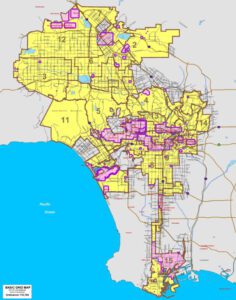
LADBS Methane Zone
If your project is is located within the Methane Zone, the LADBS Methane Code will require Methane Mitigation, regardless of the results of the Methane Test. The purpose of the methane soil test is to determine the extent of the required mitigation components. If your projects location is within a Methane Buffer Zone, it is possible that the Methane Test results will conclude that a Methane Mitigation design and Methane Mitigation Construction will not take place.
LADBS Methane Testing Process
The Methane Soil Gas Testing process has completion based on the LADBS Standards. The scope of the LADBS Methane Testing will depend on several factors, including the lot size, foundation depth, and groundwater depth. As a basis, direct push drilling must advance soil gas probes to depths of 5, 10, and 20 feet below the lowest level of the building. The number of boreholes will depend on the size of the lot for the proposed structure.
Methane Concentrations shall be measured and recorded for two days. The highest level recorded will determine the Methane Site Design Level. To ensure that subsurface utilizes do not get damage during the process of the Methane Soil Gas Survey, a subsurface geophysical survey in conduct to properly mark the location of all underground utilities.
If the proposed construction is an addition to a structure, there may be exceptions that can be implemented to establish the methane mitigation requirements. Typically, the LADBS plan checker will still require to conduct a Methane Test for the project.
A typical Single-Family Dwelling Methane Test will consist of property sizes that are less than 20,000 SqFt. This will require two borehole locations consisting of triple nested probes located at the required depths based on the LADBS requirements.
The results of a Methane soil gas test might reveal varying concentrations of methane at multiple locations throughout your property. The Los Angeles Department of Building and Safety (LADBS) acknowledges this possibility and has prepared standard Methane testing procedures accordingly. The LADBS code states that a methane test will take place minimally in two locations throughout a property. In at least two areas, it is required to place probes at three different depths throughout the property.
LADBS Methane Testing Process Continued...
Additionally, the testing procedures require you to conduct methane testing for two consecutive days and report the concentrations. This testing structure leads to a minimum of 12 methane concentration tests that are likely to be varying. Because the Earth’s crust is a non-homogeneous structure, the different materials composing it causes varying gas permeability. This means that some areas retain gas while some areas relieve gas at different rates. Because of this phenomenon, it is possible for the results of the 12 methane concentration tests on the two locations to vary.
The testing structure mentioned is just the minimum requirement. If the size of your property is greater than 20,000 ft.², it will probably require even further borehole locations and testing procedures. If your structure has a subterranean garage, likely, the depths for the probe installation will also change. The results may appear inaccurate because they will likely show high methane concentrations in a majority of the property. Yet show very low concentrations in a particular portion. The city of Los Angeles has established a procedure to categorize the Methane testing level of the property based on the highest recorded Methane concentration during the Methane test. This means that even if only one location has a P concentration of 50,000 ppm, this property would be in the category Level Five Methane Zone property. This categorization is determinable by the maximum level to meet the requirement for methane Mitigation components.
Special Note on LADBS Methane Testing Process
Often, property owners, investors, and architects will evaluate Methane test results. Thus they ponder why there are varying concentrations and how methane can be sufficiently mitigated given the variability. In this situation, a common question arises: Can I verify the possibility of reducing the methane test results? As a property owner, it is your right to conduct as many Methane Tests as you would like. Importantly, ensure the Department of Building and Safety gets all of the relevant documentation related to the Methane test results.
With this being said, if multiple Methane tests are to be conducted on a property. Then all Methane test results must be provided to the Department of Building and Safety. This is to establish the most appropriate methane test level for the property. Note unlikely the Department of Building and Safety will immediately categorize your property with the highest methane test concentration. This is due to multiple Methane test results being provided to them.