Key Takeaways
- The historic Salt Lake Oil Field sits beneath much of Mid-Wilshire, with over 400 documented oil and gas wells drilled in the area since the early 1900s.
- Mid-Wilshire is one of LA’s most active development corridors, with dozens of multi-family and mixed-use projects encountering methane zone requirements annually.
- According to Sway Features’ project data, subterranean parking structures in Mid-Wilshire face the highest methane mitigation costs due to below-grade barrier wrapping and dual LADBS/LAFD compliance requirements.
- Properties near the intersection of Wilshire Boulevard and La Brea Avenue sit directly above the densest cluster of abandoned wells and consistently produce elevated test readings
Mid-Wilshire represents the intersection of LA’s oil drilling past and its high-density development future. The Salt Lake Oil Field — one of the city’s earliest and most productive petroleum deposits — extends beneath the Miracle Mile, the Wilshire corridor, and neighboring blocks from La Brea to Western Avenue. According to CalGEM records, more than 400 wells were drilled in this area between 1902 and the 1960s. Many remain improperly sealed beneath commercial buildings, apartment complexes, and mixed-use developments built over the following decades.
Today, Mid-Wilshire is among LA’s fastest-growing development corridors. The Purple Line subway extension, transit-oriented density bonuses, and strong rental demand have driven a wave of new multi-family and mixed-use construction — virtually all of which triggers LADBS methane compliance.
The Salt Lake Oil Field Beneath Mid-Wilshire
Oil Drilling History
The Salt Lake Oil Field was discovered in 1902 and produced commercially through the mid-20th century. At its peak, the field featured hundreds of derricks concentrated along Wilshire Boulevard and extending north and south into residential neighborhoods. According to historical records, many wells were drilled on residential lots and later abandoned without proper plugging when production declined.
Unlike the tar pits near Hancock Park (which produce methane from natural seeps), Mid-Wilshire’s methane comes primarily from abandoned oil wells with degraded casings and failed cement seals. The gas migrates upward along the well bore and then laterally through surrounding soil, reaching properties that may be hundreds of feet from the original well location. addressing methane emissions reduction strategies in signal hill is crucial for improving air quality and minimizing environmental impacts. Local initiatives are focusing on monitoring existing sites and implementing technologies to seal off pathways that allow gas to escape. By taking these proactive measures, the community aims to create a safer and more sustainable environment for its residents.
Well Density and Proximity Triggers
CalGEM’s well search database shows abandoned wells scattered throughout Mid-Wilshire at irregular intervals. LADBS code requires that any property within 300 feet of an abandoned or active oil well automatically classifies at Site Design Level III or above — regardless of actual gas readings. Given the density of wells in Mid-Wilshire, this proximity trigger affects a significant percentage of development parcels.
Properties directly adjacent to documented wells face the highest design levels and costs. Properties farther from known wells may still test at elevated levels due to lateral migration, but they have a statistical chance of qualifying at Level I or II.
Mid-Wilshire Development Types and Methane Impact
Multi-Family Residential
The majority of new construction in Mid-Wilshire is multi-family residential — apartments and condominiums ranging from 10 to 200+ units. These projects typically include subterranean parking (one to three levels below grade), podium slab construction, and shared common areas that require coordinated ventilation design.
According to Sway Features’ project records, multi-family projects in Mid-Wilshire average $60,000–$120,000 for methane mitigation at the common Level II–IV classifications. The cost scales with the number of below-grade parking levels — each additional level adds approximately 20–30% to the barrier and vent system cost.
Mixed-Use Commercial and Residential
Mid-Wilshire’s mixed-use projects (ground-floor retail with residential above) face a unique challenge: the commercial ground floor may trigger DTSC vapor intrusion requirements in addition to LADBS methane code compliance. When both regulatory frameworks apply, the design engineering scope increases and testing may need to include volatile organic compounds (VOCs) beyond standard methane analysis. As developers navigate these complexities, implementing effective methane reduction strategies in Playa Vista becomes essential to ensure compliance with both sets of regulations. By prioritizing these strategies, builders can enhance safety while maintaining project timelines. Additionally, these efforts contribute to broader environmental goals, fostering a healthier community in the long term.
Transit-Adjacent Development
The Purple Line subway extension along Wilshire Boulevard has created transit-oriented development (TOD) opportunities throughout Mid-Wilshire. These projects receive density bonuses but must still comply with all LADBS methane requirements. Metro’s own tunnel construction generated significant subsurface data about gas conditions along the Wilshire corridor — information that experienced methane consultants can reference when planning mitigation for adjacent parcels.
Subterranean Parking Challenges in Mid-Wilshire
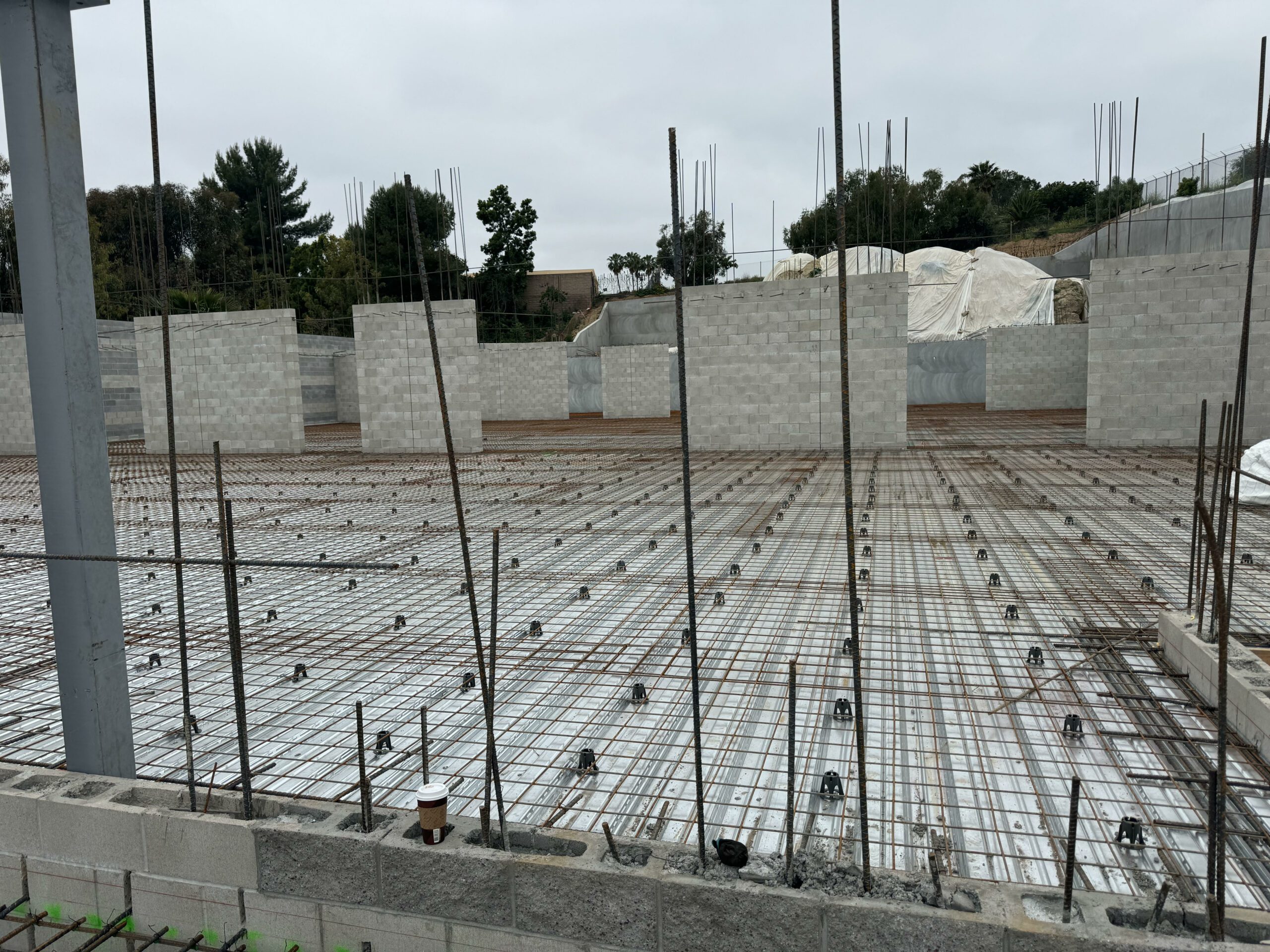
Below-grade construction is standard in Mid-Wilshire multi-family projects, and it represents the most expensive building type to mitigate.
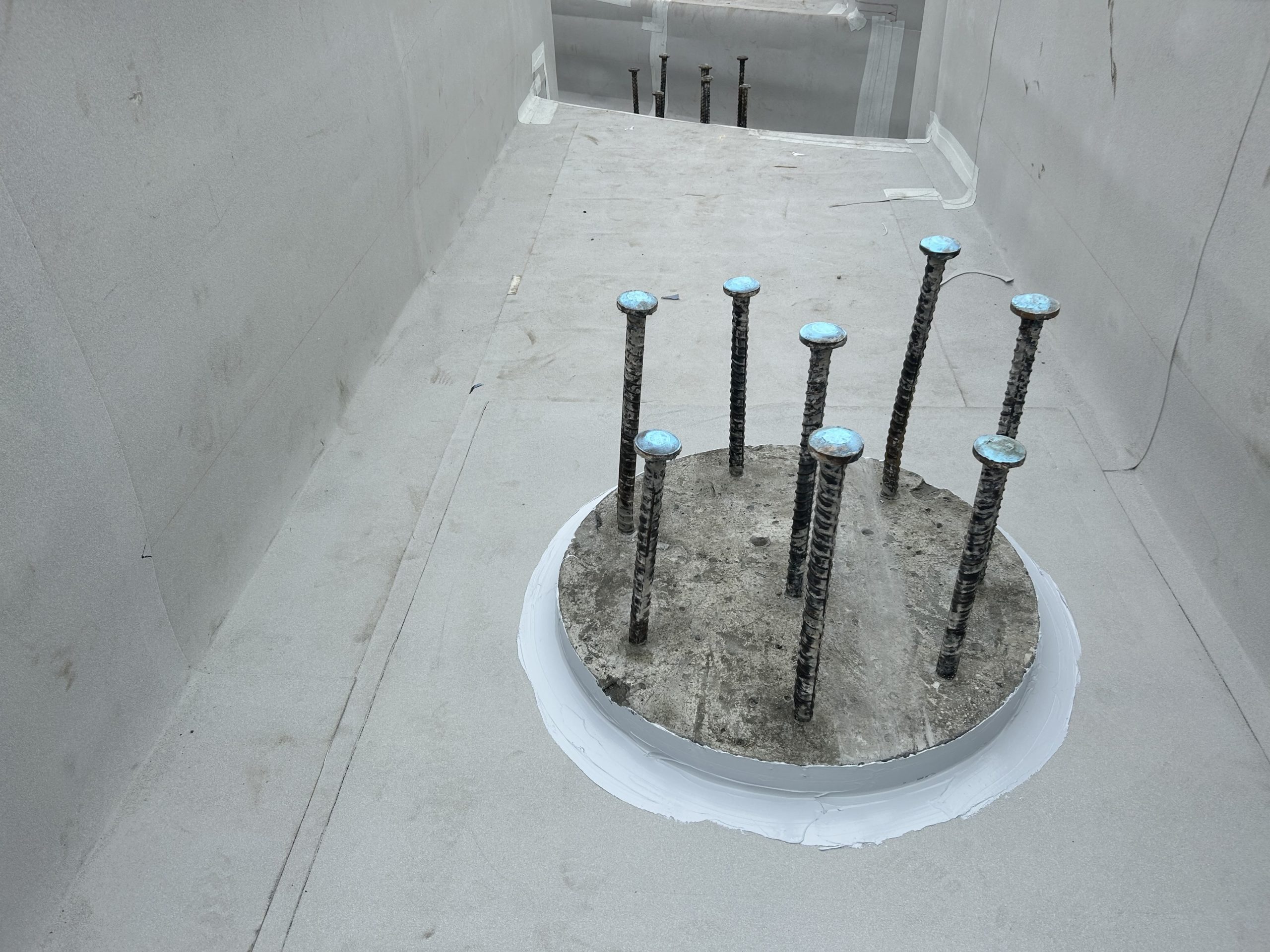
Horizontal and vertical barrier coverage. The methane barrier must wrap the entire below-grade envelope — floor slab and retaining walls. Vertical application is slower and uses more material per square foot due to gravity effects on spray-applied products.
Vent riser routing. Vent risers originating at the sub-slab level must route through parking levels, past occupied floors, and terminate at the roof. Each routing path must be coordinated with the structural and architectural teams to avoid conflicts.
LAFD Regulation 4 overlap. Enclosed parking structures near methane sources may fall under LAFD Regulation 4, which imposes additional mechanical ventilation requirements independent of the LADBS methane code. Dual compliance adds $5,000–$15,000 in additional ventilation engineering and equipment costs.
Waterproofing coordination. Below-grade construction requires waterproofing in addition to the methane barrier. The installation sequence, material compatibility, and detailing at transitions between the two systems require careful engineering coordination.
According to Sway Features’ cost data, subterranean parking mitigation in Mid-Wilshire costs $8–$15+ per square foot of below-grade area — roughly double a comparable slab-on-grade project.
Mid-Wilshire Methane Mitigation Costs
| Project Type | Design Level | Estimated Mitigation Cost |
|---|---|---|
| Small multi-family (5–15 units, no parking) | II–III | $35,000–$65,000 |
| Mid-size multi-family (15–50 units, 1 level parking) | III–IV | $60,000–$120,000 |
| Large multi-family (50+ units, 2+ levels parking) | III–V | $100,000–$200,000+ |
| Mixed-use (retail + residential, subterranean) | III–IV | $75,000–$150,000 |
| Commercial office/retail | III–IV | $60,000–$130,000 |
These ranges include design engineering, barrier and vent system installation, active components (where required), and deputy inspection. Testing adds $8,000–$15,000 for typical Mid-Wilshire commercial lot sizes.
Summary
Mid-Wilshire’s position above the Salt Lake Oil Field, combined with its rapid multi-family development, makes it one of LA’s highest-volume methane mitigation neighborhoods. Over 400 abandoned wells create a dense network of gas migration pathways, and the 300-foot proximity trigger pushes many properties to Level III or above automatically. Subterranean parking — standard for the area — is the most expensive building type to mitigate due to dual-surface barrier coverage, vent riser routing, and LAFD Regulation 4 compliance. Budget $60,000–$200,000+ for typical multi-family projects and engage a methane consultant before finalizing architectural design.
Frequently Asked Questions
How do I check if my Mid-Wilshire property has nearby abandoned wells?
Search the CalGEM (California Geologic Energy Management Division) well finder database at wellstar.conservation.ca.gov. Enter your property address to view documented wells within proximity. Also check ZIMAS for your property’s methane zone classification.
Does the 300-foot well proximity rule apply to plugged wells?
Yes. LADBS applies the proximity trigger to all documented wells — active, idle, and abandoned/plugged. Even properly plugged wells can leak over time as cement seals degrade. The 300-foot buffer is a code requirement, not a risk assessment.
Can Metro’s tunnel construction data help my project?
Metro’s environmental impact reports contain subsurface gas data along the Wilshire corridor. While this data cannot replace a site-specific methane test, experienced consultants can use it to estimate likely design levels before committing to the testing investment. Contact Sway Features for a preliminary assessment.
Is Mid-Wilshire more expensive for methane mitigation than other LA neighborhoods?
On a per-project basis, yes — because the dominant project type (multi-family with subterranean parking) is inherently more expensive to mitigate than single-family homes. On a per-square-foot basis, costs are comparable to other high-methane neighborhoods like Playa Vista and Koreatown.