
California property owners face growing concerns about vapor intrusion and indoor air contamination, particularly in areas with industrial histories or proximity to landfills. The Department of Toxic Substances Control (DTSC) has established policies to protect residents and workers from hazardous substances that can migrate into buildings through soil and groundwater. Whether you’re a homeowner, developer, or contractor, knowing how DTSC regulations apply to your property is critical for safety, compliance, and long-term value. These regulations address everything from site assessments to mitigation system requirements, with special attention to volatile organic compounds and gases like methane that can compromise indoor air quality and pose health risks.
Need Help with Vapor Intrusion Mitigation?
Sway Features specializes in DTSC-compliant vapor mitigation design and construction. Our team of licensed engineers and contractors has a proven track record with LADBS, DTSC, and EPA requirements. We provide methane testing, vapor barrier installation, and sub-slab depressurization systems to protect your property.
Call us at 888.949.7929 or visit SwayFeatures.com for a consultation.
What is California’s DTSC?

California’s Department of Toxic Substances Control (DTSC) protects public health and the environment from harmful substances. The DTSC is responsible for managing hazardous waste, ensuring the safe cleanup of contaminated sites, and promoting sustainable practices. This section provides an overview of the DTSC, its functions, and its significant contributions to environmental protection and community well-being.
DTSC Functions
Hazardous Waste Management is the first area of functions controlled by the Department of Toxic Substance Control. One of the primary functions of the DTSC is to regulate the generation, storage, transportation, and disposal of hazardous waste. This responsibility includes overseeing treatment facilities along with enforcing strict regulations to prevent pollution and minimize risks to human health and the environment.
A second area of responsibility is Site Cleanup and remediation. The DTSC is responsible for the remediation and cleanup of contaminated sites throughout California. It identifies and prioritizes sites based on potential risks and allocates resources to ensure proper investigation. Then prioritizes cleanup and restoration, thereby protecting current and future generations.
Another function performed by DTSC is the Enforcement of Environmental Laws. The DTSC enforces various laws and regulations related to hazardous waste management, including the California Hazardous Waste Control Law, the Safer Consumer Products regulations, and the Toxic Substances Control Act. By ensuring compliance, the DTSC holds accountable those who may pose a threat to public health and the environment. Construction companies must follow compliance to abide by sustainability.
The fourth function is to direct Pollution Prevention and Sustainable Practices. The DTSC actively promotes pollution prevention strategies and sustainable practices. Through partnerships with businesses, local communities, and other stakeholders, the DTSC works to reduce the use of toxic chemicals, encourage the adoption of safer alternatives, and promote environmental stewardship.
Achievements and Impact of DTSC
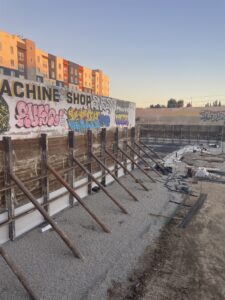
DTSC has been successful in Protecting Communities. The DTSC’s efforts have significantly contributed to protecting the well-being of communities across California. Ensuring the proper management of hazardous waste and the cleanup of contaminated sites has reduced the risks of exposure to harmful substances, particularly in disadvantaged communities disproportionately affected by pollution.
A critical impact has been their Rapid Response to Emergencies. The DTSC plays a significant role in responding to environmental emergencies, like chemical spills or releases. Its quick and coordinated response helps mitigate immediate risks, minimize ecological damage, and protect public health.
Another achievement is their promotion of Environmental Justice. The DTSC recognizes the importance of environmental justice and strives to address the unequal distribution of environmental benefits and burdens. Through community outreach programs and partnerships, the DTSC actively engages with communities, empowering them to participate in decision-making processes and ensuring their voices get heard.
Advancing Sustainable Practices is another impact of DTSC. The DTSC’s efforts in promoting pollution prevention and sustainable practices have led to significant advancements in using safer alternatives and reducing hazardous waste. By encouraging innovation and collaboration, the DTSC has helped businesses adopt environmentally friendly practices, benefiting both the economy and the environment.
Challenges and Future Directions
While the DTSC has made notable achievements, it faces several challenges in its mission to protect public health and the environment. Limited resources, complex regulatory frameworks, and the constant emergence of new hazardous substances pose ongoing challenges. The DTSC must adapt to the changing landscape of environmental issues, including emerging contaminants and climate change.
To address these challenges, the DTSC is actively working towards enhancing transparency, improving public participation, and using technological advancements to streamline processes and increase efficiency. It collaborates with stakeholders, including businesses, communities, and other government agencies, to foster innovative solutions and ensure effective environmental management.
The Department of Toxic Substances Control is critical in California’s commitment to protecting public health and the environment. With its regulatory oversight, site cleanup efforts, and promotion of sustainable practices, the DTSC works tirelessly to lower the risks associated with hazardous waste and contaminated sites. The DTSC aims to create a safer and healthier future for all Californians by prioritizing environmental justice and community engagement.
Understanding DTSC Policies on Vapor Intrusion
Vapor intrusion is a pressing environmental concern where hazardous chemicals from contaminated soil or groundwater migrate into indoor air spaces. The California Department of Toxic Substances Control (DTSC) has implemented policies to address this issue, ensuring public safety and environmental preservation.
These policies play a significant role in managing risks, particularly in urban and industrial areas. Integrating methane management strategies into vapor intrusion mitigation presents opportunities for improved environmental outcomes.
What Are DTSC Policies on Vapor Intrusion?
DTSC policies provide a structured framework for identifying, assessing, and mitigating vapor intrusion risks. These guidelines ensure thorough site evaluations and emphasize proactive remediation techniques. A core objective is safeguarding occupants from exposure to toxic chemicals while fostering sustainable land use practices.
Key components of these policies include:
- Site Assessments: Conducting thorough investigations to detect volatile organic compounds (VOCs) and other hazardous substances.
- Risk Evaluation: Employing scientific methods to determine the extent of vapor intrusion and its potential health impacts.
- Mitigation Strategies: Implementing techniques to prevent or reduce indoor air contamination, such as vapor barriers or ventilation systems.
While methane emissions are not always the primary focus of DTSC policies, their inclusion in mitigation plans can offer additional benefits. For example, methane capture techniques may be explored in tandem with traditional vapor intrusion methods.
The Importance of Vapor Intrusion Policies
Vapor intrusion policies are critical for ensuring public health and maintaining environmental integrity. They address a range of issues, from protecting residents in vulnerable communities to fostering redevelopment of contaminated sites.
Preventing Health Risks
Toxic vapors, including those containing methane, can pose significant health risks. Long-term exposure to harmful chemicals may lead to respiratory issues and other health complications. DTSC’s policies emphasize immediate action when vapor intrusion is detected, protecting individuals from such threats. Incorporating methane mitigation as a supplementary strategy can further enhance air quality in affected areas.
Promoting Sustainable Land Use
By addressing vapor intrusion, DTSC policies facilitate the safe redevelopment of contaminated lands, turning them into usable spaces. This aligns with broader environmental goals, such as minimizing methane emissions that contribute to climate change. Projects that integrate methane management demonstrate the synergy between environmental stewardship and urban development.
Enhancing Community Awareness
Public education is an integral part of DTSC policies. By informing communities about vapor intrusion and mitigation measures, stakeholders are empowered to participate in decision-making processes. Introducing concepts like methane management can broaden awareness of how methane impacts indoor air quality and environmental sustainability.
Effective Vapor Intrusion Mitigation Strategies
DTSC-approved mitigation strategies aim to eliminate or minimize vapor intrusion risks effectively. Each approach is tailored to site-specific conditions, ensuring optimal outcomes.
Vapor Barriers and Sub-Slab Depressurization Systems
One of the most common methods includes installing vapor barriers and sub-slab depressurization systems. These systems create a physical or pressure-based barrier, preventing harmful vapors from entering indoor spaces. Incorporating methane mitigation design into these systems can enhance their efficiency, particularly in areas where methane poses an additional risk.
Active Ventilation Systems
Active ventilation systems are another effective strategy, drawing contaminated air away from buildings and replacing it with clean air. These systems are particularly valuable in commercial or industrial spaces where chemical exposure risks are higher. Complementary measures, such as methane mitigation construction, can ensure the safe handling of methane alongside other contaminants.
Regular Monitoring and Testing
Ongoing monitoring is essential to ensure the effectiveness of mitigation efforts. Conducting a methane test alongside routine vapor intrusion evaluations provides a holistic view of potential risks. This dual approach ensures thorough protection for building occupants and the environment.
The Role of Methane in Vapor Intrusion Mitigation
Methane is a naturally occurring gas that can exacerbate vapor intrusion risks if not adequately addressed. While DTSC policies primarily target VOCs and other toxic substances, methane mitigation strategies can complement these efforts.
Methane Capture in Contaminated Sites
Methane capture technologies play a significant role in reducing greenhouse gas emissions and preventing methane from contributing to vapor intrusion. By integrating these systems into remediation projects, stakeholders can achieve dual benefits: enhanced air quality and reduced environmental impact.
Addressing Methane Emissions
Unmanaged methane emissions can compromise the effectiveness of vapor intrusion mitigation. DTSC policies could benefit from emphasizing methane management to highlight the importance of methane control in protecting indoor air quality and mitigating climate change.
Designing Comprehensive Mitigation Plans
A thorough approach to vapor intrusion mitigation should include methane mitigation design elements. These designs consider methane’s potential impact and ensure alignment with DTSC’s overarching goals of safety and sustainability.
Challenges and Considerations
Implementing DTSC policies on vapor intrusion is not without challenges. Factors such as site complexity, regulatory compliance, and community engagement require careful navigation.
Regulatory Compliance
Ensuring adherence to DTSC policies involves rigorous documentation and reporting. Stakeholders must collaborate with regulatory agencies to meet compliance standards while incorporating supplementary strategies like methane mitigation construction.
Community Engagement
Engaging communities in vapor intrusion projects can be challenging, particularly in underserved areas. Educating residents about the benefits of thorough mitigation, including the role of methane capture, can foster trust and cooperation.
Technical Limitations
Some sites may present technical challenges that complicate vapor intrusion mitigation. For example, areas with high methane concentrations require specialized equipment and expertise to ensure safety and effectiveness.
DTSC policies on vapor intrusion are vital for safeguarding public health and promoting sustainable development. By addressing the risks associated with hazardous vapors, these policies create safer environments for communities across California.
Incorporating methane-related strategies, such as methane capture, testing, and mitigation offers a pathway to enhanced outcomes. These measures not only align with DTSC’s objectives but also contribute to broader environmental goals. By emphasizing the importance of methane management in vapor intrusion mitigation, stakeholders can ensure a future that prioritizes both health and sustainability.
DTSC Regulations and Indoor Air Quality Standards
Maintaining indoor air quality (IAQ) is a critical component of building safety and occupant health. In California, the Department of Toxic Substances Control (DTSC) plays a significant role in regulating hazardous substances to ensure that indoor environments remain safe. Understanding DTSC regulations and their impact on IAQ is essential for businesses, homeowners, and contractors alike. There are growing concerns about methane emissions and their effects on indoor air, which aligns with methane mitigation strategies that are becoming increasingly relevant.
What Are DTSC Regulations?
DTSC regulations are a set of guidelines established by the California Department of Toxic Substances Control to manage hazardous waste, remediate contaminated sites, and prevent toxic exposure. These regulations aim to safeguard public health by minimizing the risks associated with hazardous substances, particularly in residential and commercial buildings. Ensuring compliance with these regulations is essential for property owners and developers to create healthier indoor environments.
One of the key focuses of DTSC regulations is the identification and mitigation of vapor intrusion, which can significantly affect indoor air quality. Vapor intrusion occurs when volatile chemicals from contaminated soil or groundwater enter a building through cracks in the foundation. These chemicals, including methane emissions, can pose health risks to occupants if not properly addressed.
How DTSC Regulations Influence Indoor Air Quality
DTSC regulations directly impact indoor air quality by setting standards for the detection and mitigation of harmful substances. Property owners must conduct environmental assessments to ensure that their buildings meet these safety standards. When contaminants are detected, mitigation measures must be implemented to reduce exposure risks.
For example, vapor intrusion mitigation systems are often required in buildings constructed on contaminated land. These systems help prevent harmful gases, such as methane, from entering indoor spaces. While DTSC regulations do not specifically mandate methane capture, addressing methane emissions can be a valuable strategy to enhance IAQ.
Methane in Indoor Air Quality
Methane is a significant contributor to poor air quality when it infiltrates buildings. While often associated with outdoor pollution, methane impacts indoors too, especially in areas with a history of contaminated land. Property developers and environmental consultants can benefit from understanding how methane emissions influence air quality and implementing appropriate mitigation measures.
Methane Mitigation and DTSC Regulations
Although DTSC regulations focus broadly on hazardous substances, methane mitigation is an important aspect to consider for improving indoor air quality. Methane mitigation involves reducing methane emissions through various strategies and technologies, which can prevent dangerous gas buildup inside buildings.
Some recommended methane mitigation strategies include:
- Installing vapor barriers to block methane from seeping into indoor spaces.
- Implementing active ventilation systems to disperse gases.
- Conducting regular methane tests to ensure that indoor levels remain safe.
While these strategies are not explicitly required by DTSC regulations, they align with best practices for maintaining healthy indoor environments.
Methane Capture as a Preventive Measure
Methane capture involves collecting and containing methane emissions before they enter the atmosphere or indoor spaces. Incorporating methane capture systems in building designs can enhance compliance with DTSC regulations by preventing vapor intrusion risks. Methane capture can contribute to sustainability goals, aligning with California’s push toward reducing greenhouse gas emissions.
Developers and contractors working on sites with potential vapor intrusion issues should consider methane capture and mitigation design options to ensure that their projects meet both regulatory and environmental standards.
Vapor Intrusion and Methane Emissions
One of the primary concerns addressed by DTSC regulations is vapor intrusion. This process occurs when gases from contaminated soil or groundwater migrate into indoor air. Methane emissions are a common component of vapor intrusion cases, particularly in areas near landfills, former industrial sites, or oil fields.
To manage these risks, property owners must conduct thorough assessments and implement mitigation systems. Methane mitigation construction techniques, such as installing sub-slab depressurization systems or sealing foundation cracks, can help reduce the risk of harmful gas infiltration.
Methane Mitigation Design for Safer Buildings
Effective methane mitigation design involves planning and implementing strategies to prevent methane from entering indoor spaces. This can include:
- Installing impermeable membranes beneath building foundations.
- Creating pressure differentials to push gases away from indoor spaces.
- Designing HVAC systems to improve ventilation and reduce gas concentrations.
Property developers who incorporate methane mitigation design into their projects not only improve indoor air quality but also reduce liability risks associated with non-compliance with DTSC regulations.
How Methane Emissions Impact Building Safety
Methane emissions can compromise building safety in several ways. When methane accumulates indoors, it poses an explosion risk and can cause health issues for occupants. DTSC regulations aim to prevent such risks by requiring property owners to address vapor intrusion and hazardous substances.
However, methane concerns extend beyond just regulatory compliance. Addressing methane emissions proactively can enhance a building’s safety profile and contribute to a healthier indoor environment. Regular monitoring and methane tests can help detect potential issues early, allowing for timely intervention.
The Role of Methane Tests in Compliance
Conducting methane tests is a critical step in ensuring compliance with DTSC regulations. These tests measure the concentration of methane and other gases in the air to determine if mitigation measures are necessary. Regular testing can help property owners stay ahead of potential risks and maintain safe indoor air quality.
Benefits of Proactive Methane Mitigation
Taking a proactive approach to methane mitigation offers several benefits:
Improved Indoor Air Quality
Methane mitigation reduces harmful gas levels indoors by preventing dangerous gas intrusion. This leads to a healthier environment for building occupants, minimizing the risk of respiratory issues and other health concerns. Enhanced air quality also contributes to overall well-being and comfort in homes and workplaces.
Regulatory Compliance
Implementing methane mitigation strategies helps property owners stay compliant with DTSC regulations regarding hazardous substances. These measures reduce the risk of vapor intrusion, which is a key concern for regulatory bodies. By addressing methane emissions, property owners can ensure they meet legal standards and avoid potential penalties.
Reduced Liability Risks
Addressing methane emissions early can prevent costly legal issues and property damage resulting from gas buildup. Proactive mitigation measures protect property owners from lawsuits related to health impacts or unsafe indoor conditions. Reducing liability risks also strengthens a building’s safety profile and increases its market value.
Sustainability Goals
Methane capture and mitigation contribute to environmental sustainability by reducing greenhouse gas emissions. These efforts align with California’s broader climate goals, helping property owners demonstrate their commitment to eco-friendly practices. Sustainable buildings are more appealing to environmentally conscious tenants and buyers, creating long-term economic benefits.
DTSC regulations play a vital role in protecting indoor air quality by addressing hazardous substances and preventing vapor intrusion. Incorporating methane mitigation strategies, such as methane capture, methane tests, and methane mitigation construction, can further enhance building safety and ensure compliance with regulatory standards.
As the importance of methane management grows in environmental discussions, property owners and developers must consider these factors when planning and maintaining indoor spaces. By proactively addressing methane emissions, they can create healthier environments and contribute to California’s broader sustainability goals.
In summary, while DTSC regulations primarily focus on hazardous waste and toxic substances, methane mitigation should be seen as a complementary approach to improving indoor air quality and ensuring long-term building safety.
Protect Your Property with Expert Vapor Mitigation Services
Don’t wait until vapor intrusion becomes a problem. Sway Features offers complete vapor and methane mitigation solutions that meet all DTSC, LADBS, and EPA requirements. Our licensed professionals handle everything from initial methane testing to full system installation and deputy inspections.
Contact us today:
- 📞 Call: 888.949.7929
- 📧 Email: Contact@SwayFeatures.com
- 🌐 Visit: SwayFeatures.com
- 📍 Location: 1050 W Alameda Ave, #406, Los Angeles, CA 91506
- License #: 1049846
Let our team of architects, engineers, and contractors develop the right solution for your property. We serve all of Southern California including Los Angeles, Glendale, and surrounding areas.